
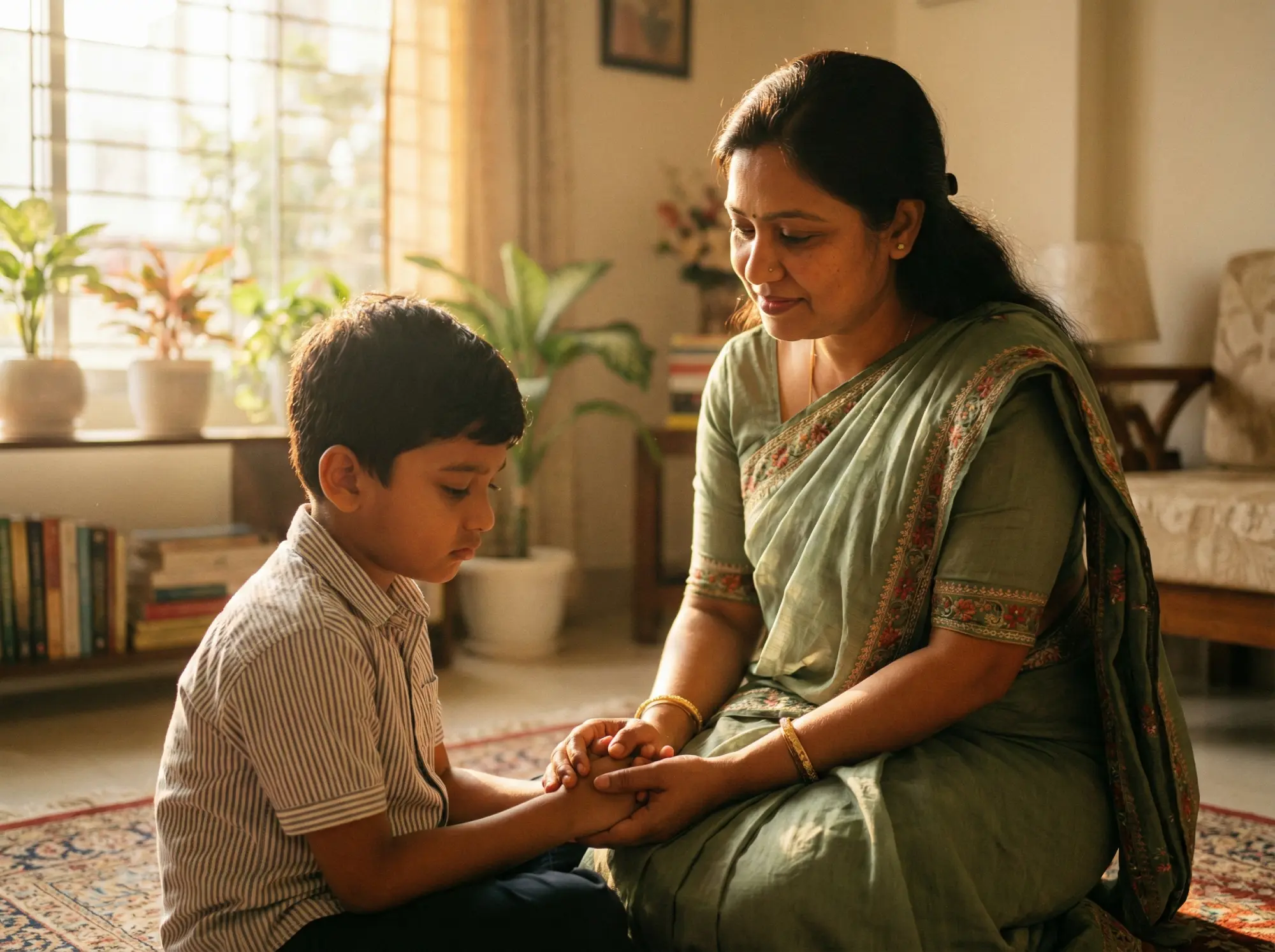

Children often don’t have the vocabulary to say, “I am anxious” or “I feel overwhelmed.” Instead, they communicate through behavior. In our busy lives, it’s easy to miss these subtle signals, often mistaking them for tantrums or disobedience. At Mind Development and Counseling Institute (MDCI), we believe that understanding these silent emotions is the key to healthy parenting.
Signs of Hidden Anxiety in Children:
-
Change in Sleep Patterns: If your child is suddenly having nightmares or refusing to sleep alone, something might be bothering them.
-
Physical Complaints: Frequent stomach aches or headaches before school can be physical manifestations of mental stress.
-
Withdrawal: If a normally playful child suddenly becomes quiet or avoids family gatherings, it’s a red flag.
How Parents Can Help:
-
Create a ‘Safe Space’: Let your child know that it is okay to feel sad or angry. Validate their feelings instead of dismissing them.
-
Active Listening: When they speak, put down your phone and listen. Eye contact builds trust.
-
Routine is Key: Children feel safer when they have a predictable routine for meals, study, and play.
If you notice persistent behavioral changes, professional support can make a world of difference. Our Child Counseling experts are here to guide you and your little one toward a happier childhood.