

Introduction
10 Signs Your Child May Need Psychological Support is an important subject for families, educators, and communities. At Mind Smile Global Counseling Institute (MSGCI), we believe useful mental health information should be understandable, compassionate, and grounded in credible evidence. This guide explains key ideas, offers realistic steps readers can try, and highlights when personalized professional guidance may be appropriate. Every person and family is different, so suggestions should be adapted to age, context, and individual needs.
Why patterns matter more than one bad day
Children sometimes feel sad, worried, angry, or withdrawn. A single difficult day does not mean they have a mental health condition. Pay attention instead to changes from the child’s usual behavior, how long they last, and whether they affect sleep, learning, friendships, or family life. Ask teachers or other caregivers what they notice, while respecting the child’s privacy.
Signs 1–3: mood, worry, and withdrawal
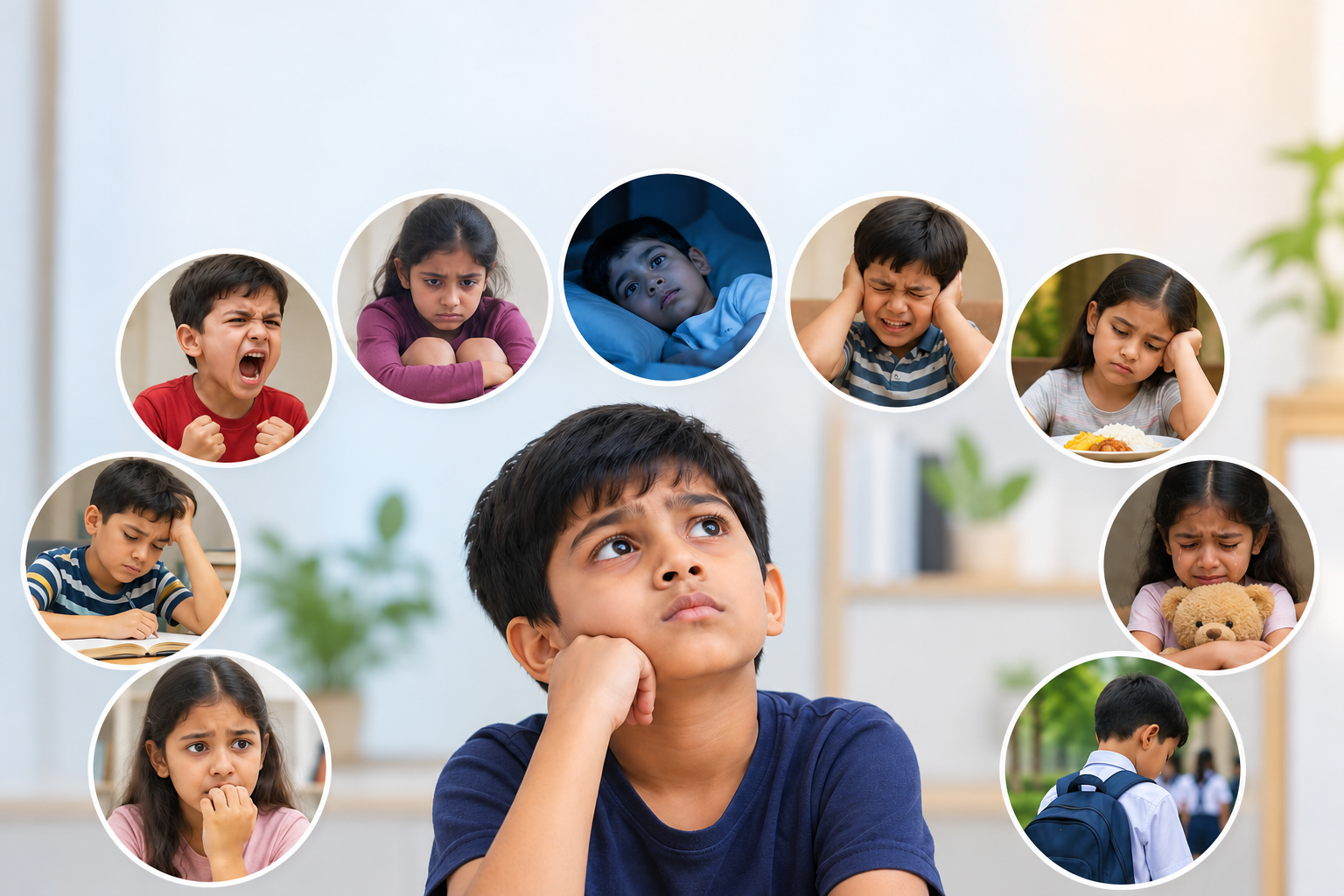
First, watch for persistent sadness or irritability that does not improve with ordinary support. Second, notice excessive fears or worries that prevent participation in daily activities. Third, pay attention if a child stops enjoying hobbies, avoids friends, or withdraws from family interactions. These signs can have many causes, including stress, bullying, grief, or physical illness, so avoid jumping to conclusions.
Signs 4–6: sleep, physical complaints, and school changes
Fourth, significant changes in sleep—such as frequent nightmares or difficulty falling asleep—may signal distress. Fifth, repeated headaches or stomachaches without a clear medical explanation deserve attention; a medical evaluation may be needed. Sixth, a marked decline in school engagement, attendance, or performance can indicate learning challenges, anxiety, relationship problems, or other difficulties. Focus on understanding rather than punishment.
Signs 7–8: strong reactions and regression
Seventh, intense emotional outbursts, aggression, or unusual difficulty calming down may show that a child needs help with regulation or is under stress. Eighth, younger children may return to earlier behaviors, such as clinginess or toileting difficulties, especially during transitions. Developmental regression should be discussed with a pediatric professional, particularly when it is sudden or persistent.
Signs 9–10: changes in eating and safety concerns
Ninth, significant changes in appetite, eating patterns, or weight merit a compassionate conversation and, where appropriate, medical review. Tenth, any talk about self-harm, death, or wanting to disappear should be taken seriously. Ask calmly and directly about immediate safety, stay with the child if there is imminent danger, and seek urgent local emergency or medical support. Do not promise to keep safety risks secret.
How parents can respond
Choose a calm moment and say what you have noticed without blame: “You seem less interested in your friends lately. How have things been?” Listen, validate feelings, and ask what support would help. Coordinate with school staff when appropriate. A qualified child mental health professional can assess concerns and recommend support; a blog checklist cannot diagnose a condition.
Practical next steps
Choose one small action to begin this week. Notice what changes, ask for feedback from the people involved, and adjust the plan without blame. If difficulties are persistent, escalating, or interfering with daily functioning, seek assessment from a suitably qualified professional. When a child is involved, include their perspective in an age-appropriate way and coordinate with caregivers or teachers as appropriate. Keep sensitive personal information private and avoid using online checklists as diagnostic tools.
Distinguishing concern from ordinary change
A sign becomes more concerning when it lasts, grows more intense, or interferes with daily functioning. For example, reluctance to attend school after a holiday may be temporary; persistent fear accompanied by stomach aches and missed classes deserves closer attention. Consider the child’s age, recent losses, bullying, learning needs, physical health, and cultural context. A checklist is a prompt for discussion, not a diagnosis.
How to start a conversation
Choose a calm moment and describe what you have noticed without accusation: “I see that mornings have been hard lately. What feels most difficult?” Allow silence, validate feelings, and ask what would help. Do not promise secrecy if the child discloses danger; explain that safety sometimes requires involving trusted adults or professionals. Teachers can provide observations while respecting privacy.
What happens after asking for help
A professional may speak with caregivers and the child, explore school and family circumstances, and consider medical or developmental factors. Support may involve parent guidance, school adjustments, psychological intervention, or referral. Seek urgent local emergency assistance if a child is at immediate risk of harming themselves or others. Early help is about understanding needs and reducing distress, not attaching a label.
Conclusion
Understanding the issue is a starting point, not the finish line. Progress usually comes from consistent, manageable actions, supportive relationships, and timely access to appropriate help. Information can empower readers to ask better questions and make more informed choices, while professional evaluation remains important for complex or serious concerns.
Call to action
MSGCI can be contacted to discuss child counseling options and whether an assessment or referral is appropriate.